
Cinematic multi-camera coverage. Managed by a real broadcast director.
Director-led multi-camera production for live events and recorded content. Up to 12 camera positions with broadcast vision mixing, colour correction, and real-time graphics.
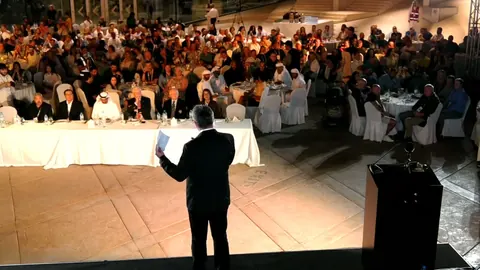
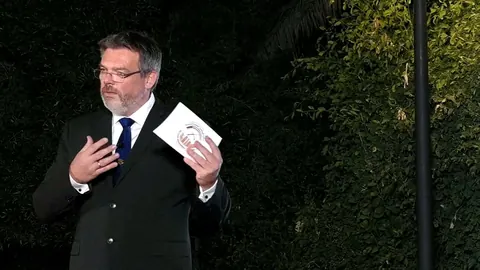
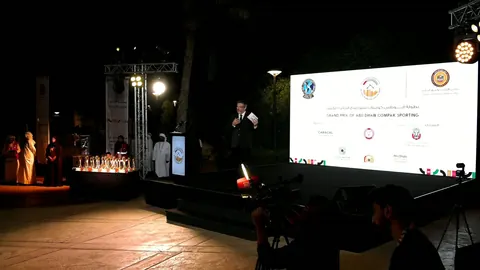
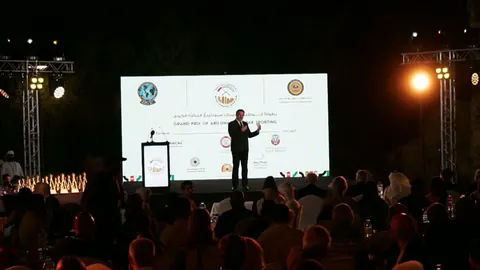
- 12
- 4K HDR
- Live
- ISO
What we deliver on every engagement.
-
Up to 12 camera positions: broadcast, PTZ, jibs, handheld, static
-
Dedicated vision mixer with live colour science and broadcast picture quality
-
MCR-managed graphics: names, titles, lower thirds, live data overlays
-
ISO recordings per camera plus program mix for post-production
A speaker on a fixed wide shot looks like a videotape from 1998.
The difference between a presentation recorded by a single camera and a broadcast directed by a real production team is not the camera. It is the cutting.
Broadcast television works because a director behind the scenes is always on the best angle. When the CEO turns to the audience, we cut to a wide. When she drives home the key line, we cut to a close-up. When the audience laughs, we cut to the room. The viewer never thinks about the edit. They just stay engaged.
A single-camera recording cannot do any of that. It locks the viewer into one framing for 45 minutes and asks them to pay attention. Most will not.
We run multi-camera production the way sports broadcasters do. Up to 12 camera positions, a director calling shots in real time, live colour grading on the program feed, and graphics operators triggering lower thirds as speakers change. The output is indistinguishable from broadcast television.
From corporate town halls to international summits.
We run multi-camera production at every scale, from a 100-person executive briefing to a daily broadcast in four languages across two weeks. Camera counts scale with the event: 3-4 cameras for a single-speaker presentation, 6-8 for a multi-speaker conference, 12 for a main-stage keynote with audience coverage and hero shots.
Our directors and vision mixers come from broadcast. They call live sport from our own control room, awards galas, and daily summit coverage in several languages. Every cut is informed by that experience.
Specification.
- Broadcast and cinema cameras on manned positions. PTZ robotics for fixed angles. Handheld gimbals for documentary coverage. Up to 12 positions on a standard build.
- Broadcast vision mixer. Live colour grading on the program feed via dedicated colour desk. Multi-format output (1080p, 4K SDR, 4K HDR).
- Dedicated graphics operator with lower thirds, name cards, session titles, sponsor acknowledgements, live data overlays (polls, Q&A counters, KPI displays). Rendered to program at broadcast resolution.
- Broadcast-grade wireless lavaliers with redundant RF coordination. Stereo and 5.1 output options. Live audio mix separately from video direction.
- ISO recording per camera source to local media (not just program). ProRes or H.265 masters. Recording continues even if network drops.
- Simultaneous live stream to multiple platforms plus program-mix recording for post-production. Edited highlight reels in 24-48 hours.
Live event streaming
Live event streaming services in Dubai for conferences, summits and corporate events. Multi-camera production, redundant uplinks, one team from camera to viewer.
Learn moreLive replay
EVS and DreamCatcher replay systems for live sports, esports and events. Multi-angle slow-motion replay, operated by broadcast crew, across the UAE.
Learn moreCorporate video production
Corporate video production in Dubai by a live broadcast crew. Brand films, event films, leadership video, interviews and social cuts, scripted to delivery.
Learn moreWhat buyers ask before they book.
Do we really need 12 cameras?
Usually not. Most events work with 4-6 well-placed positions. 12 is the upper limit for full main-stage summit coverage with audience hero shots and a camera float. Our producer scopes the camera count against your event agenda, not a standard package.
What is the difference between your multi-camera setup and a freelance videographer?
A freelance videographer captures footage for post-edit. A broadcast multi-camera team directs a live program feed in real time, with live colour grading, live graphics, and live cutting. The output is a finished broadcast at the end of the event, not raw files to send to an editor.
Can you produce in 4K HDR?
Yes. 4K HDR is standard for premium productions. For most events, 1080p is the right choice because it drops the bitrate burden on the delivery chain and most viewers watch on mobile. 4K HDR makes sense for venue LED walls and for recorded content that will live on after the event.
What about ISO recordings for later editing?
Every camera records an ISO (isolated) feed to local media in addition to feeding the live program. You receive the ISO files alongside the program-mix master within 24-48 hours post-event, so your editor has every angle available for re-cuts.
How does multi-camera work for a webinar or hybrid event?
The same setup, with the live program feed sent to the virtual platform. Multi-camera production elevates webinars from "Zoom grid of faces" to "broadcast-quality TV show." See the Webinar and Hybrid Events services for detail.
Tell us the date, the venue and who is watching.
We scope every engagement against its run of show, not a package.